Types of Renewable Energy
Solar Energy
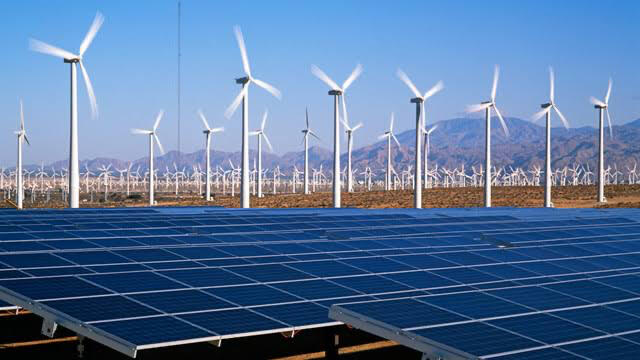
The most plentiful energy source is solar energy, which may even be used when it's cloudy outside. The Earth absorbs solar radiation at a rate that is roughly 10,000 times faster than the rate at which people use energy.For a wide range of uses, solar technologies can provide fuels, power, heat, cooling, and natural lighting. Solar technologies use mirrors to focus solar radiation or photovoltaic panels to convert sunlight into electrical energy.Even though the amount of solar energy available to each nation varies, each nation can use direct solar energy to contribute significantly to its energy mix.In the past ten years, the cost of producing solar panels has drastically decreased, making them not only reasonable but frequently the least expensive option.
Wind Energy
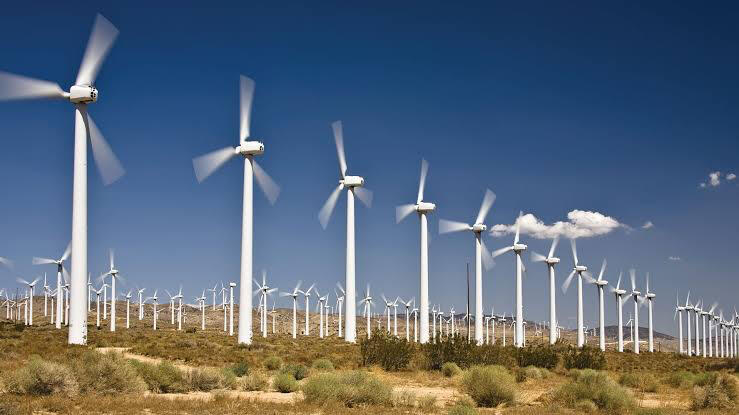
By deploying massive wind turbines that are situated on land (onshore) or in freshwater or the ocean (offshore), wind energy is able to capture the kinetic energy of moving air. Although wind energy has been utilized for thousands of years, in recent years, onshore and offshore wind energy technology have advanced to create more electricity by building taller turbines and larger rotor diameters.Even though typical wind speeds vary greatly between locations, most parts of the world have enough capacity to support a sizable wind energy deployment, and wind energy has a greater technical potential than electricity production worldwide.Strong winds can be found all around the world, but often the finest places to generate wind power are the most distant ones. The potential for offshore wind generation is enormous.
Hydropower Energy
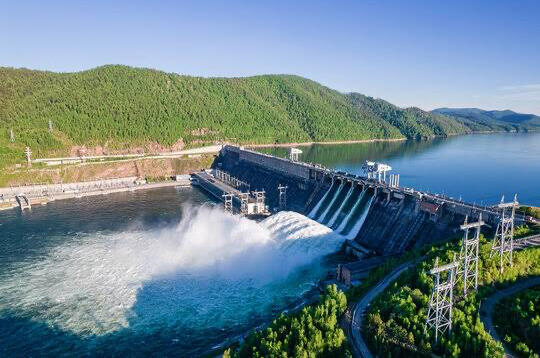
The energy of water flowing from higher to lower elevations is captured by hydropower. It can be produced by rivers and reservoirs. While run-of-river hydropower facilities use the energy from the river's available flow, reservoir hydropower plants rely on water that has been stored in a reservoir.Hydropower reservoirs are frequently used for a variety of purposes, including electricity production, navigational services, drinking water supply, irrigation water, and flood and drought control.Right now, the biggest renewable energy source used to generate electricity is hydropower. It is dependent on largely consistent patterns of rainfall, and it may be adversely affected by droughts brought on by climate change or by modifications to ecosystems that affect rainfall patterns.The infrastructure required to produce hydropower may potentially have a negative effect on ecosystems. Because of this, a lot of people think that small-scale hydro is a better alternative for the environment and is especially appropriate for distant areas.
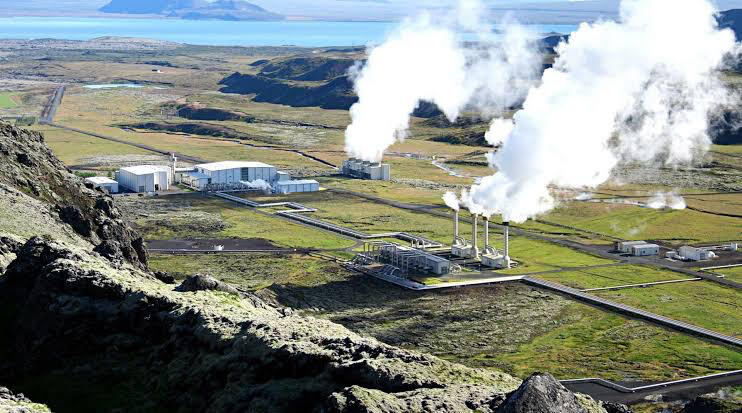
Geothermal Energy
Geothermal energy makes use of the thermal energy that is readily available within the Earth. Geothermal reservoirs are used to extract heat using wells or other methods.Hydrothermal reservoirs are naturally sufficiently hot and permeable reservoirs; enhanced geothermal systems are sufficiently hot reservoirs that have been boosted through hydraulic stimulation.Upon reaching the surface, different temperature fluids can be employed to produce energy. Hydrothermal reservoir energy generating is a well-established and dependable technology that has been in use for over a century.